
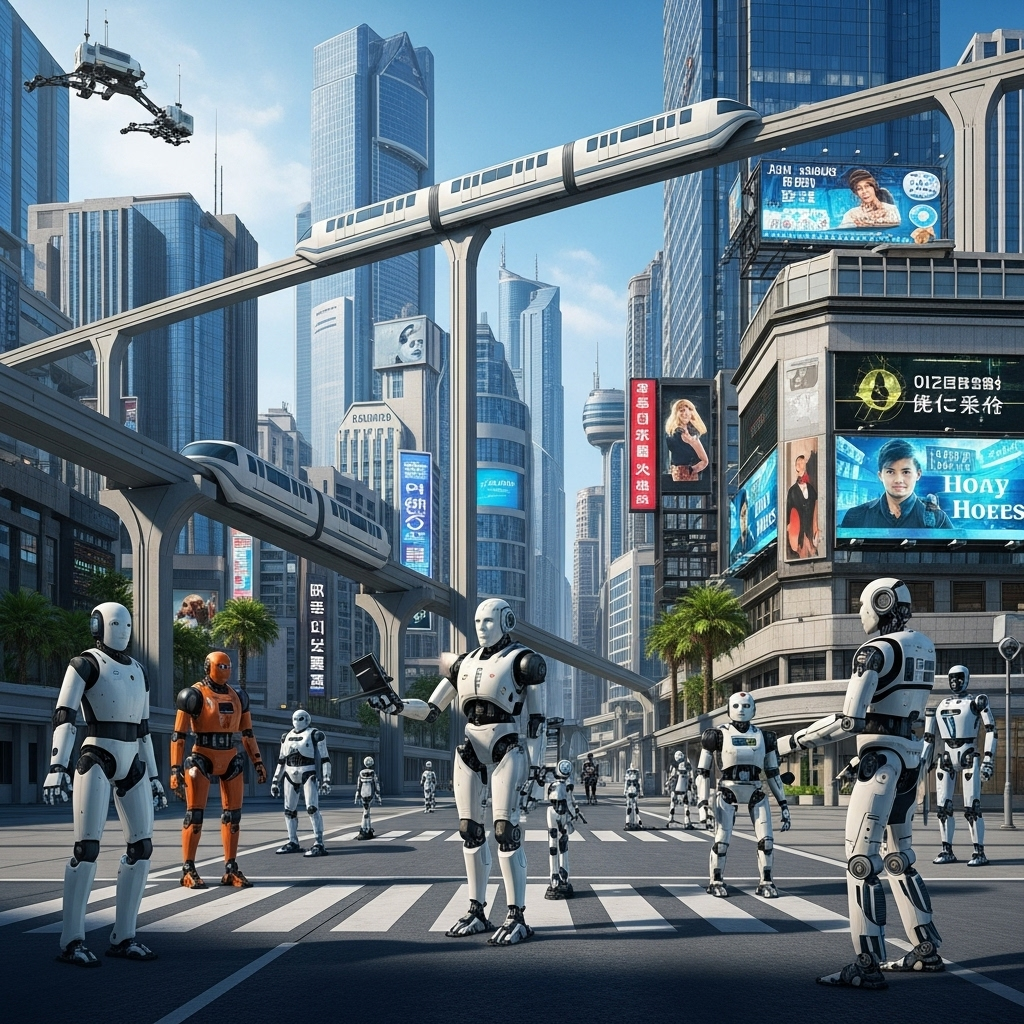
The world of work is evolving faster than ever. Automation, artificial intelligence, and new technologies are transforming the job market, creating exciting roles that were unimaginable just a decade ago. For students and young professionals, understanding these emerging careers early can give them a significant advantage in shaping their future. LinkedIn has predicted some of the most promising future jobs—roles that will be in high demand and potentially offer lucrative opportunities.
Here’s a closer look at these future careers and what they entail:
1. Organ Creator
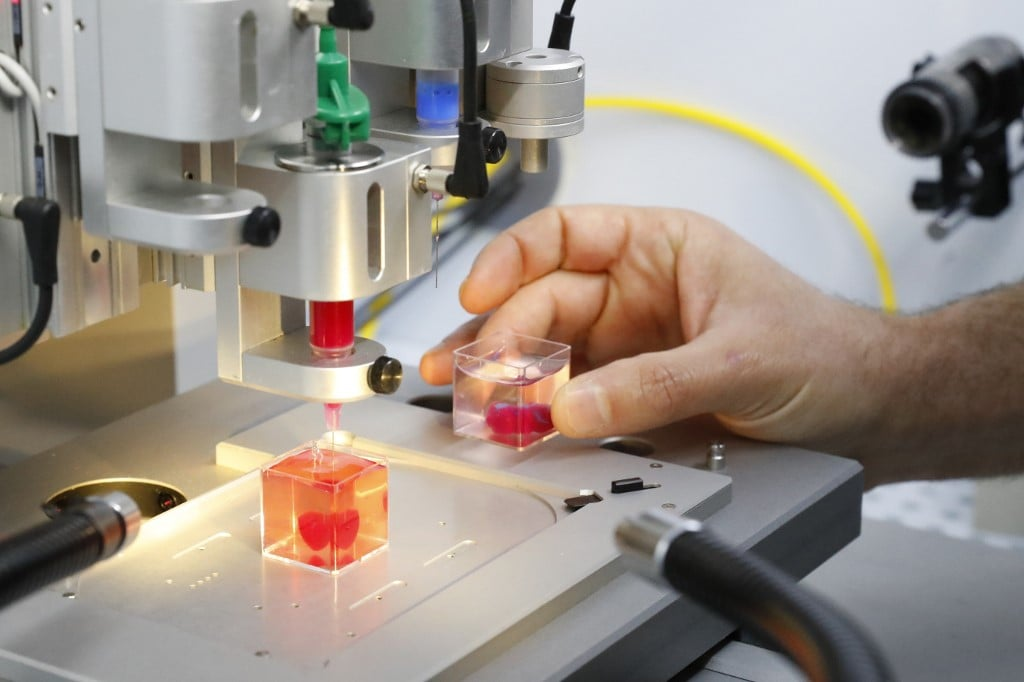
Medical technology is advancing at a rapid pace, and organ creation could revolutionize healthcare. Organ creators will design and grow human organs using bioengineering techniques, potentially saving millions of lives. This role combines biology, technology, and precision engineering.
2. Augmented Reality (AR) Journey Builder

AR is reshaping education, entertainment, and retail. AR journey builders design immersive experiences that blend the digital and physical worlds. Students with creativity and technical skills in AR development can thrive in this futuristic career.
3. Metaverse Planner
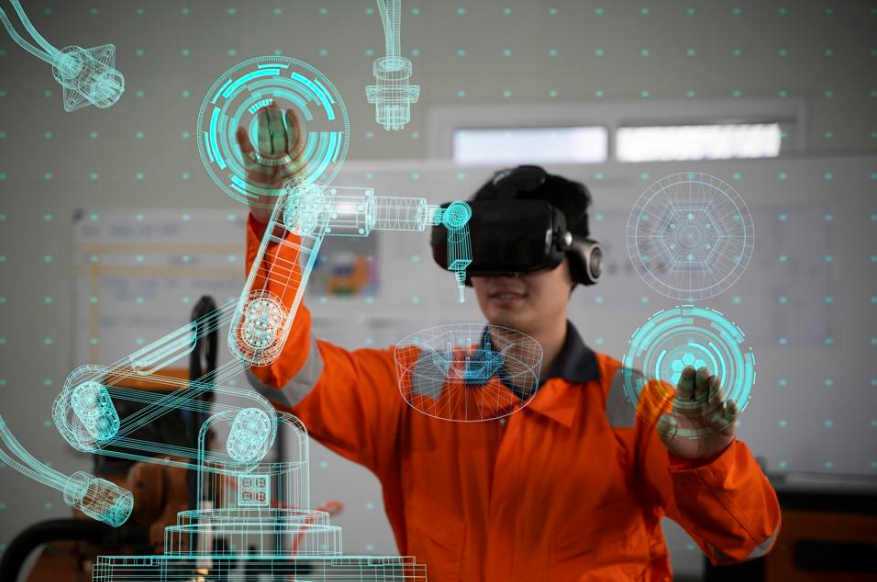
The metaverse is emerging as the next frontier in digital interaction. Metaverse planners design virtual worlds, create social and commercial spaces, and ensure seamless user experiences. This career demands skills in digital design, game development, and user engagement.
4. Biofilm Installer

Biofilms—thin layers of microorganisms—have applications in medical, environmental, and industrial fields. Biofilm installers are specialists who apply biofilms in controlled settings, helping with medical treatments, pollution control, and innovative technologies.
5. Earthquake Forecaster

Disaster management is critical in an era of climate change. Earthquake forecasters use data analysis, AI, and seismology to predict earthquakes and mitigate risks. This career blends science, data, and public safety initiatives.
6. Makeshift Structure Engineer

In regions affected by natural disasters or rapid urbanization, makeshift structure engineers design temporary, safe, and innovative structures. They combine engineering knowledge with creativity to provide immediate solutions for communities in need.
7. Algorithm Bias Auditor

Artificial intelligence powers many systems today, but AI can be biased. Algorithm bias auditors examine AI algorithms to ensure fairness, transparency, and ethical practices. This role is perfect for data scientists, analysts, and tech enthusiasts with a strong sense of ethics.
8. Re-wilder

Environmental conservation is gaining global attention. Re-wilders restore ecosystems by reintroducing native species, reviving habitats, and ensuring biodiversity. This is ideal for students passionate about ecology and sustainable development.
9. Human-Machine Teaming Manager
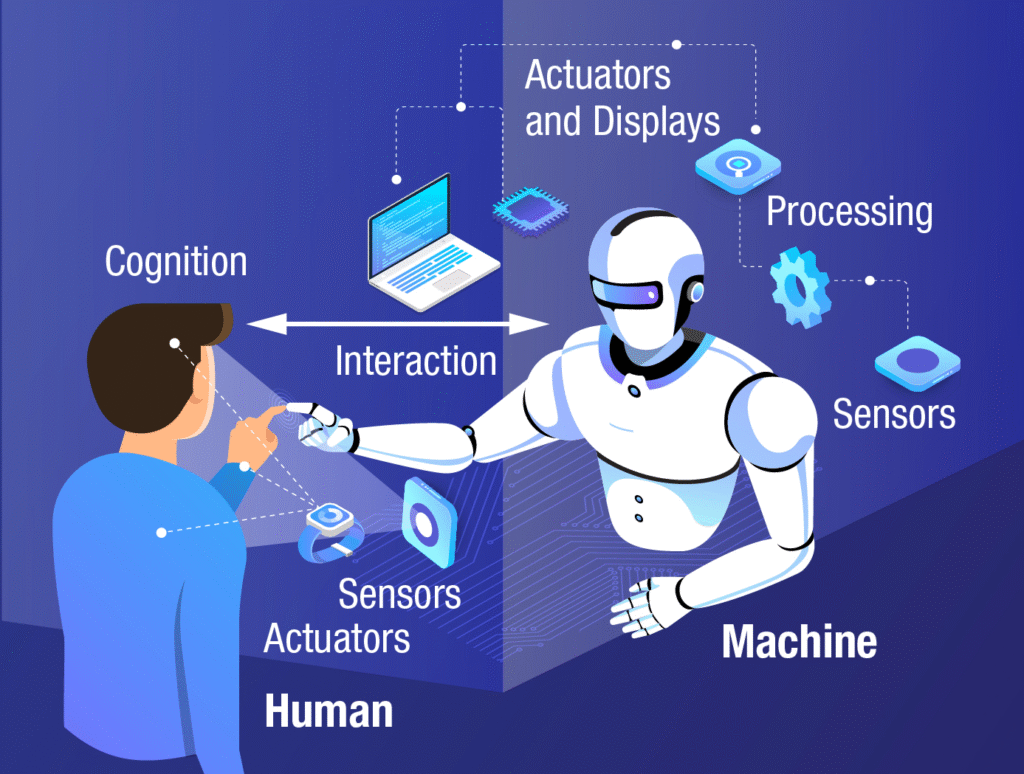
As humans and machines collaborate more closely in workplaces, human-machine teaming managers ensure smooth integration. They optimize workflows between AI systems, robots, and human teams to maximize efficiency and productivity.
10. Drone Traffic Optimizer

With drones becoming common in logistics, surveillance, and transport, managing their movement is crucial. Drone traffic optimizers plan airspace, prevent collisions, and ensure timely deliveries, combining skills in logistics, AI, and engineering.
Why Early Career Planning Matters
Identifying emerging careers early can help students focus their education, skill-building, and personal projects toward the jobs of the future. Whether it’s gaining coding skills, pursuing biology, or exploring AR/VR development, early preparation gives young professionals a competitive edge.
By understanding where industries are heading and aligning their education accordingly, students can:
- Build a strong skill set relevant to future jobs.
- Prepare for competitive roles in high-demand industries.
- Secure internships, projects, and experiences that make them job-ready.
Conclusion
The job landscape is rapidly transforming, but with guidance, planning, and proactive learning, students can position themselves for success. Whether you dream of creating organs, building virtual worlds, or managing AI systems, the key is to start early, focus on relevant skills, and stay adaptable. The future is full of opportunities—your dream job may not exist yet, but you can prepare to become a pioneer in it.