

Most of us start our careers with ambition and optimism, but somewhere along the way, we hit a lull—confusion, frustration, even burnout. For some, this “career crisis” happens in their 20s or 30s; for others, it shows up in midlife. The good news is you’re not alone, and there are clear steps you can take to realign and thrive.
A recent LinkedIn survey found that 70% of professionals are focused on building their careers even if they’re not in their dream role, and 40% fear layoffs. After the pandemic, resilience is key—people want more: raises (55%), promotions (57%), or a new role (48%). The truth is, successful careers don’t just happen—they’re designed.
Here’s a roadmap to help you build a career with purpose, clarity, and growth.
Part 1: Spot Your Career Traps

Before moving forward, identify the patterns holding you back. Common “career traps” include:
- Ambition Trap: Pushing harder to prove yourself, without slowing down.
- Expectation Trap: Living for others’ approval instead of your own.
- Busyness Trap: Equating worth with constant activity, sacrificing health.
- Translation Trap: Looking successful on paper but feeling unfulfilled.
- Adrenaline Trap: Running on stress and neglecting self-care.
Recognizing these traps is the first step to breaking free and designing a healthier career path.
Part 2: Build Your Foundation

The strongest careers rest not on titles, but on values, passions, and strengths. Take time to reflect:
- Values: What matters most in your life?
- Strengths: What comes naturally to you (ask others if you’re unsure)?
- Passions: What energizes or excites you?
If your job isn’t aligned with these, it may explain dissatisfaction. Realignment often sparks renewed direction.
Part 3: Choose the Right Career Strategy

The traditional “career ladder” model—climbing one field until retirement—doesn’t fit most people today. Industries shift, and your interests evolve. Instead, think in terms of a Mosaic Career™️:
- Built around your skills and values, not just past experience.
- Focused on the future, asking: “Given where I am, what do I want to create?”
- Flexible enough to move across industries and roles that align with your vision.
This mindset frees you from outdated paths and prepares you for a changing market.
Part 4: Declare Your Destination

You don’t need a fixed job title to move forward. Instead, reflect on three key questions:
- What do I want to create?
- What kind of impact do I want to have?
- How do I want to use my life?
Even a broad vision can help guide decisions, whether that means choosing projects at your current company or finding new roles elsewhere.
Part 5: Define Your Values

Your top five values—freedom, impact, financial security, growth, community, etc.—act as a filter for evaluating opportunities. Use them to guide career moves and reduce burnout.
👉 Bonus exercise: Rate how aligned your current job is with your values (1–10). This quick check often explains satisfaction—or the lack of it.
Part 6: Make Core-Based Choices

At career crossroads, use your foundation as a compass. Ask yourself:
- Does this align with my values, strengths, and passions?
- How will I feel tomorrow about this decision?
For example, one professional I coached accepted a promotion only after negotiating reduced travel, aligning the role with her personal values. When decisions honor your core, they create sustainable fulfillment.
Part 7: Follow Your Curiosities

Even in a role you love, side interests matter. Exploring hobbies, classes, or small projects can:
- Reduce burnout
- Spark creativity
- Lead to unexpected opportunities
One curiosity project of mine—photography—not only energized me outside work but also boosted my creativity on the job. Don’t ignore your sparks of interest; nurture them.
Part 8: Know Your Unique Value
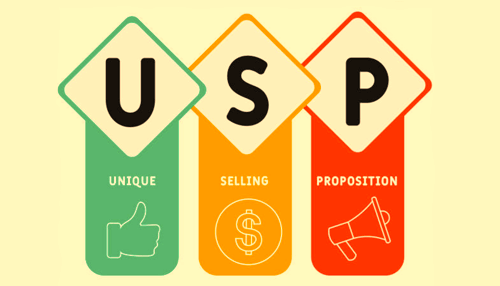
To stand out, identify your Unique Selling Point (USP):
- List your technical and soft skills.
- For each, ask: What value does this bring an employer?
- Turn your strongest skills into a short pitch.
Example:
- “I build strong customer relationships that create lasting revenue streams.”
- “I bring people together to deliver outcomes in complex environments.”
Use your USP in interviews, LinkedIn, and networking conversations.
Part 9: Expand Yourself and Your Network

Growth doesn’t stop once you’re “comfortable.” Keep stretching by:
- Volunteering for new projects
- Learning new skills
- Seeking leadership opportunities
At the same time, build your network. Surround yourself with people who inspire, challenge, and open doors. Relationships often accelerate opportunities more than skills alone.
Part 10: Keep Checking In

Twice a year, set aside time for a career check-in:
- Review long-term goals and progress
- Celebrate recent accomplishments
- Identify skills to develop
- Note what’s working and what’s missing
These check-ins prevent complacency and keep your career moving forward intentionally.
Final Word

A career crisis isn’t failure—it’s an invitation to realign with what matters. By spotting traps, building a foundation, choosing the right strategy, and pursuing growth, you can design a career that is fulfilling, resilient, and future-ready.
✨ No right or wrong answers—what matters is clarity. The sooner you start, the sooner you’ll move closer to building a career you truly love.